
7 Reasons Why Responsive Design is Essential for Your Website’s Success

Introduction
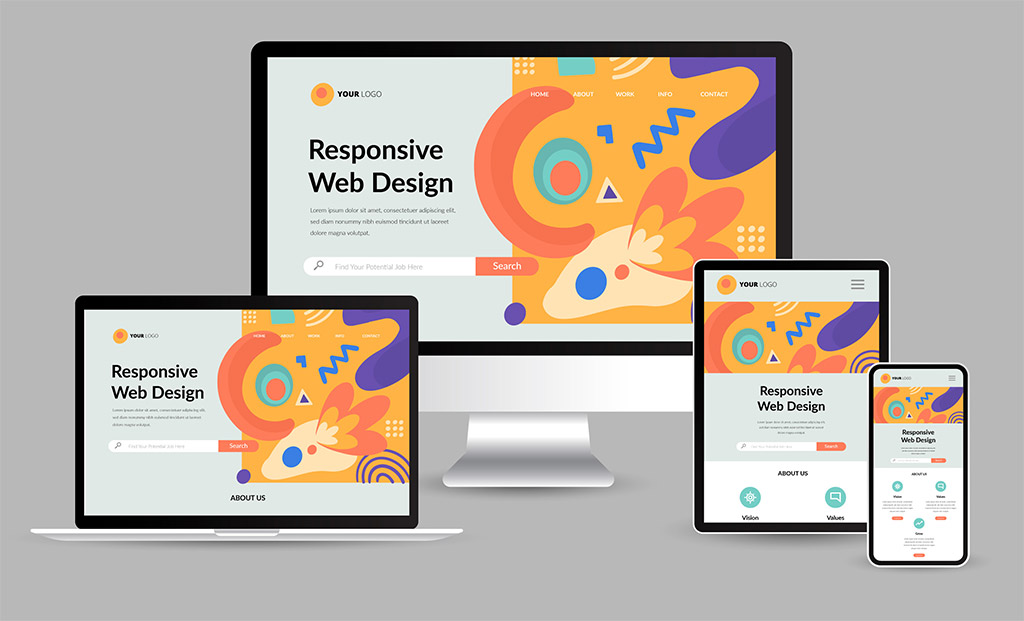
In today’s digital age, having a website that is easily accessible and readable on all devices is crucial for the success of any business. Responsive design ensures that your website adjusts to the screen size of the device it is being accessed on, providing an optimal viewing experience for the user. In this article, we will explore the benefits of responsive design and why it is essential for your website’s success.
Improved User Experience
One of the main benefits of responsive design is the improved user experience it provides. By ensuring that your website is easily readable and navigable on all devices, you are providing a seamless experience for your users. This can lead to higher engagement and increased loyalty, resulting in more conversions and sales.
Improved Accessibility
Responsive design can also improve the accessibility of your website for users with disabilities. By ensuring that your website is easily readable and navigable on all devices, it can provide a better experience for users who rely on assistive technologies such as screen readers. This can also lead to compliance with accessibility guidelines such as WCAG (Web Content Accessibility Guidelines) and Section 508, which is a legal requirement for some organizations.
Increased Mobile Traffic
With the increasing use of mobile devices to access the internet, it is essential to have a website that is mobile-friendly. Responsive design ensures that your website is easily accessible on all devices, resulting in increased mobile traffic. This can also lead to higher search engine rankings, as search engines favor mobile-friendly websites.
Better Search Engine Optimization
Responsive design can also improve your website’s search engine optimization (SEO). With a single URL for all devices, search engines can crawl and index your website more easily. This can lead to higher search engine rankings, resulting in more traffic and potential customers.
Increased Conversion Rates
Responsive design can also lead to increased conversion rates. By providing a seamless experience for your users, they are more likely to complete a desired action, such as making a purchase or filling out a contact form. This can result in more conversions and sales for your business.
Future-Proofing Your Website
Responsive design also helps future-proof your website. As new devices and screen sizes are released, your website will automatically adjust to provide an optimal viewing experience. This can save you the cost and effort of having to redesign your website for each new device.
Cost-Effectiveness
Finally, responsive design can be more cost-effective than designing separate websites for each device. By having a single website that automatically adjusts to all devices, you can save on development and maintenance costs.
In conclusion, responsive design is essential for the success of any website. It improves user experience, increases mobile traffic, improves SEO, increases conversion rates, future-proofs your website, and is cost-effective. If you haven’t already, consider implementing responsive design for your website to see the benefits for yourself.